



Uncategorized
THCA vs THC: Understanding the chemistry of your harvest
Dec
Many growers and consumers judge the quality of cannabis by a single figure: the percentage of THC. However, if you looked at a laboratory analysis of a fresh, living plant, you would be surprised to find almost no THC. Instead, the plant is full of THCA.
In this article, we break down the fundamental difference between THCA and THC, explain the magic of converting one into the other, and highlight which Advanced Seeds genetics offer the greatest potential.
What is THCA (Tetrahydrocannabinolic Acid)?
The THCA It is the acidic and «raw» form of THC. It is the cannabinoid that the cannabis plant naturally produces as it matures.
The most important thing you need to know is: THCA is not psychoactive. If you eat a raw cannabis bud, you will not feel the usual «high,» but your body will receive a potent dose of anti-inflammatory compounds.
Key characteristics of THCA:
- It does not intoxicate: The molecule is too large to fit into the brain's CB1 receptors.
- Therapeutic potential: Research suggests efficacy in the treatment of inflammation, neurodegenerative diseases, and nausea.
- Natural state: This is how cannabinoids exist in the living plant.
What is THC?
The THC (Tetrahydrocannabinol) is the main psychoactive compound that most people seek when growing cannabis. It is responsible for euphoria, relaxation, sensory alteration, and pain relief.
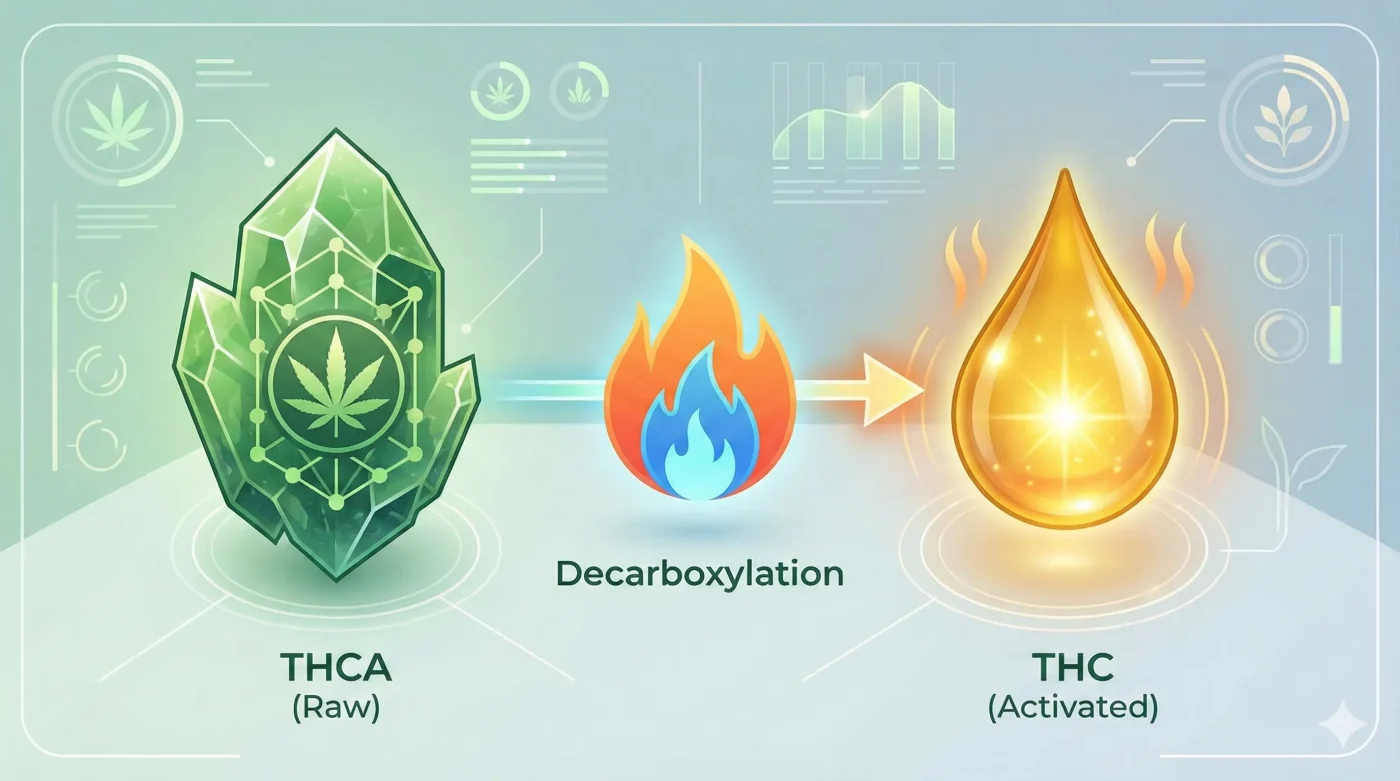
THC is only produced when the carboxyl group is removed from the THCA molecule. This process converts the «potential» acid into the active compound.
The Magic of Heat: What is Decarboxylation?
The term sounds technical, but the process is simple. To convert the THCA (potential) in THC (effect), you need heat or time.
Decarboxylation It is the chemical reaction that removes a carboxyl group from a compound by applying heat.
This is exactly why we smoke or vaporise the product, or put the cannabis in the oven before cooking edibles (ediblesThe flame of a lighter or the heat of a vaporiser instantly converts THCA into THC, activating the effect.
- Drying and Curing: Start the process partially (slowly).
- Heat/Combustion: Activate the process immediately.
THCA or THC: Which is better for your health?
Modern science suggests that both compounds have their own unique benefits.
- For therapy without a high: Consuming raw cannabis (in smoothies or tinctures) provides access to THCA. This is beneficial for patients seeking relief from pain or inflammation without altering their consciousness.
- For strength and relaxation: THC is required. It is effective for insomnia, severe stress, and chronic pain, although high doses may cause anxiety in some users.
Remember: High levels of THCA in the plant = High levels of THC after heating.
Top 3 Advanced Seeds Varieties with Maximum Potential
If your goal is to achieve a potent product after decarboxylation, you need genetics with high cannabinoid production. Here are our champions:
1. Gorilla Blue (THC level: 24%)
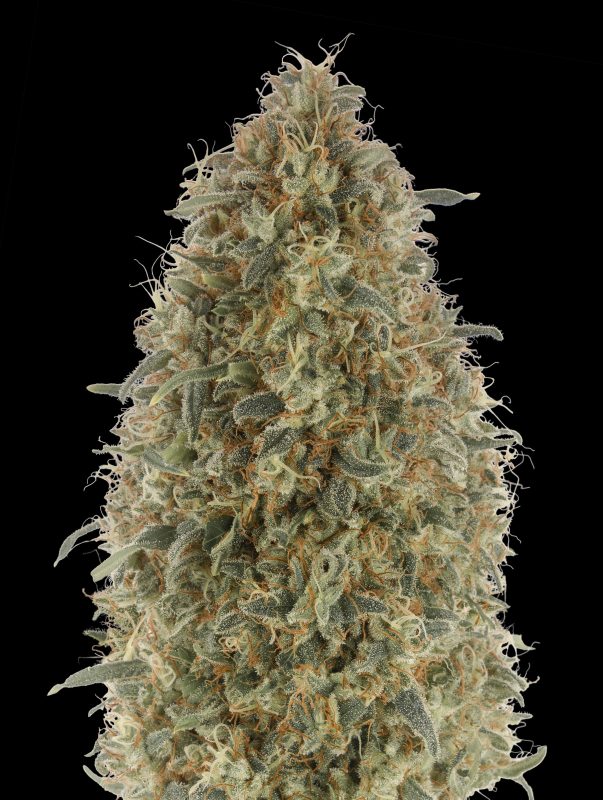
This hybrid is a resin-producing monster. An abundance of sticky trichomes means a massive concentration of THCA, which translates into a powerful sedative effect when heated.
- Effect: Deep relaxation, ideal for the evening.
- Genetics: Gorilla Glue #4 x DJ Short Blueberry.
- 👉 Buy Gorilla Blue
2. Gelato #33 (THC level: 25%)
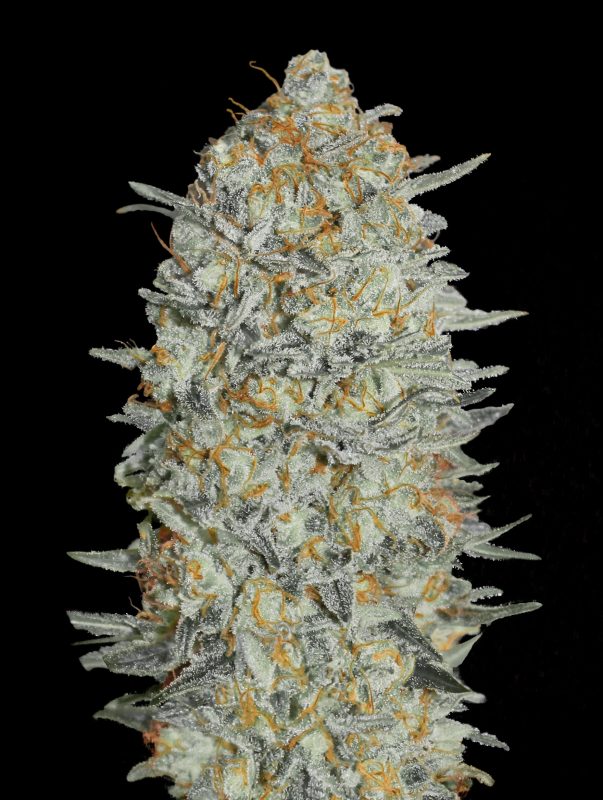
Legendary American genetics. This strain is defined not only by its high acid content, but also by its incredible terpene profile. It is a perfect example of how THCA works in synergy with aroma.
- Effect: Euphoria, creativity, and joy.
- Flavour: Creamy ice cream and citrus fruits.
- 👉 Buy Gelato #33
3. Auto Biodiesel Mass XXL (High THC for an Auto)
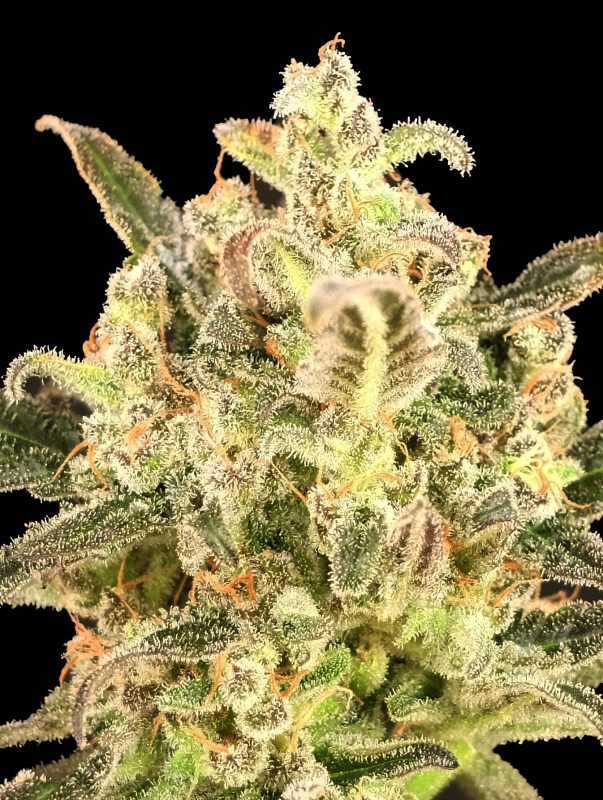
For lovers of autoflowering strains who don't want to sacrifice potency. This variety accumulates THCA quickly due to its short cycle, offering yields comparable to photoperiod-dependent strains.
- Effect: Balanced and durable.
- Feature: Fast cycle and easy cultivation.
- 👉 Buy Auto Biodiesel Mass XXL
Conclusion
Understanding the difference between THCA and THC makes you a smarter grower and consumer. Remember: the plant grows THCA; you, through your artistry (and your lighter), convert it into THC.
The better the genetics and the more «sugar» (trichomes) your buds have, the greater the final potential. Choose proven seeds from Advanced Seeds to guarantee maximum results.
How to decarboxylate cannabis at home (in the oven)
Time needed: 45 minutes
A simple method to activate THCA into THC for making butter, oil, or cannabis cooking.
Materials: Oven, baking tray, baking paper (parchment), grinder.
- Step 1: Preparation
Preheat your oven to 110–115°C. This is critical: higher temperatures will destroy the terpenes and degrade the THC, while lower temperatures will not activate the reaction effectively.
- Step 2: Crushing
Break the buds into small pieces with your hands or use a grinder. Do not grind it into a fine powder, as it may burn. Spread the material evenly on a tray lined with baking paper.
- Step 3: Baking
Place the tray in the oven for 30–40 minutes. Gently move the tray every 10 minutes to ensure that the heat is evenly distributed throughout the material.
- Step 4: Verification
After 30-40 minutes, the colour of the cannabis should change from bright green to a golden brown (khaki), and the texture should be dry and crumbly.
- Step 5: Cooling
Remove the tray and allow the cannabis to cool completely. It is now «activated» and ready to infuse into butter, oil, or alcohol tinctures.
FAQ (Frequently Asked Questions)
Answer: Yes. Most standard drug tests do not distinguish between THCA and THC. They look for metabolites created by the body after processing cannabinoids. Even if you consumed raw cannabis (rich in THCA) without getting high, you could still test positive.
Answer: No. Raw, unheated cannabis mainly contains THCA, which has no psychoactive properties. To feel the effects, the product must undergo decarboxylation (heating) to convert the acid into active THC.
Answer: It is not a 1:1 ratio. When heated, the molecule loses mass (CO₂). The formula for «Total THC» is: (%THCA) × 0.877 + (%THC) = Total Potential THC. For example, if you have 20% of THCA, the actual THC available will be approximately 17.5%.
Answer: Research indicates that THCA has potent anti-inflammatory, neuroprotective, and antiemetic (anti-nausea) properties. This makes it a promising component for medical use without the intoxicating effects of THC.
